

India Celebrates Navratri: One Festival, Many Traditions

On the last day of Pitru Paksha (Mahalaya or Sarva Pitru Amavasya), as people make final offerings for their departed loved ones, the time is also ripe for a new beginning. Mahalaya sits at the cusp of this change, when quiet remembrance ends, and celebrations begin. Pitru Paksh gives way to Devi Paksh. Interestingly, sculptors across eastern India mark the beginning of Ma Durga’s journey on Mahalaya with a final artistic touch: they paint the eyes on the Durga idols they have lovingly crafted for months. This beautiful ritual is called Chakshu Daan. Infused with Ma’s divine energy, the clay idol is now officially ready for the Navratri celebrations.
At the turn of the seasons, when crisp autumn air hints at approaching winter, India gears up to welcome the Divine Mother. Her grand arrival is celebrated in beautiful ways across the country. Come along as we explore some of these traditions.
Highlights of the Blog:
- Traditions in Southern India
- Traditions in Western India
- Traditions in Eastern and North-Eastern India
- Traditions in Northern and Central India
Traditions in Southern India
Bathukamma Flower Decoration

Sharad Navratri marks a grand celebration in Telangana. At the centre of the festivities is Bathukamma, a nine-day floral festival mainly hosted by women and girls. It is also Telangana's state festival. Bathukamma begins on Mahalaya Amavasya and ends with Saddula Bathukamma or Pedda Bathukamma, on Durgashtami (Ashwayuja Ashtami).
“Bathukamma” is a Telugu word with two parts: Bathuku (meaning "life" or "to live") and Amma (meaning "Mother"). Together, the name is a tender invocation to Mother Divine: "O Mother, come back to life!" or "Live forever, Mother." Bathukamma honours Goddess Sati returning to life as Goddess Parvati (Gauri). In spiritual and folk traditions of Telangana, Bathukamma is not a single deity, but a manifestation of Maha Gauri (Goddess Parvati) and Goddess Lakshmi.
Women and young girls prepare a conical, tiered floral arrangement resembling a temple gopuram. On top is a small turmeric idol of Ma Gauri. Each evening, they sing and perform Kolatam—tapping small wooden sticks—while dancing around the vibrant stacks. Traditionally, men or boys gather wild seasonal flowers, and women prepare the Bathukamma. Each of the nine days has a specific arrangement and a distinct Naivedyam. On the last day, Bathukamma flowers are immersed in a waterbody.
Beyond its beauty, Bathukamma is deeply rooted in ecological wisdom. Traditional seasonal flowers like Tangedu (Senna auriculata) and Gunugu (Celosia argentea) have natural antibacterial properties that help cleanse the water bodies they are immersed in. The turmeric and neem leaves act as immunity boosters. It is a beautiful seasonal worship that harmonises human devotion with nature.
Bathukamma celebration is a sweet reminder of an agricultural past, with seasonal flowers and foliage taking centre stage instead of disposable plastic substitutes.
Golu (Tamil Nadu, Telangana, and Andhra Pradesh)

Golu (also known as Bommai Golu in Tamil, Bommala Koluvu in Telugu, and Gombe Habba in Kannada) is a stunning visual celebration where handcrafted dolls are displayed on stepped wooden platforms during Navratri. The word Golu (also spelt Kolu) comes from Tamil and is closely tied to its Telugu equivalent, Koluvu. Literally, the word means "sovereign divine presence," "royal court," or "assembly."
On Mahalaya Amavasya (the night preceding Navratri), families set up a wooden stepped structure called Golu Padi, with an odd number of steps (typically 3, 5, 7, 9, or 11). It remains active from day one (Pratipada) till Vijayadashami and visually mirrors the evolution from earthly existence to supreme spiritual consciousness:
The lower tiers feature everyday human life, occupations, folk life, animals and modern creative additions like miniature Parks or train tracks. The middle steps depict Rishis, gurus, avatars (Dashavataram), and detailed episodes from the Sri Ramayan, Mahabharat or Puranas. The highest tiers are reserved for supreme deities and the sacred Kalasham, representing the Goddess. Central to the display are the Marapachi Bommai, traditional wooden male-female dolls passed down through generations, symbolising fertility and cosmic unity.
Legend says the gods stood frozen like lifeless dolls after giving all their powers to Goddess Durga for her battle. To honour them, families serve warm Sundal (a spiced legume offering) as Neivedyam, celebrating community and devotion over all nine days. On the 11th day, sacred water of the kalasham is sprinkled throughout the house. The dolls are stored until the next Navratri.
The festival is famous for the Thanjavur Thalaiyatti Bommai, traditional clay "dancing dolls" with bobbing heads and weighted bases that make circular motions when touched.
Mysuru Dasara (Karnataka)

In Karnataka, the festival takes on a royal character with the grand Mysore Dasara. It is called Nada Habba, literally meaning "Festival of the Land". The whole city shines with the golden lights of Mysore Palace as it celebrates Goddess Chamundeshwari’s victory over Mahishasur. The ten-day celebration culminates in the Jumboo Savari, a breathtaking procession where elephants carry Ma Chamundeshwari’s idol through the streets of Mysore. The celebration blends classical music, colourful traditions, and royal heritage. It almost feels as if you’ve stepped into the past.
Traditions in Western India
Gondhal singing (Maharashtra)

In Maharashtra, devotion takes the form of an all-night, high-energy musical ritual known as Gondhal. Rather than a fixed calendar event, families host this overnight performance during important milestones like post-wedding celebrations, the birth of a child, or moving into a new house. During Navratri, however, Gondhal becomes both a household and a public community celebration to invoke Ma Bhavani, Ma Renuka, and Khandoba (Martand Bhairav) and seek their protection and blessings.
The chief singer sets up a sacred square altar called a ‘Chowk ’ to keep a Kalash and Diya. Accompanied by traditional instruments like the Sambhal drum and Tuntuna, the troupe sings devotional ballads and recites stories (Aakhyan) from the Puranas, Sri Ramayan, or heroic folklore.
The atmosphere is electric, blending deep bhakti with storytelling that keeps the entire community awake, engaged, and mesmerised until morning. The night concludes with the performer carrying a lit torch through the house to ward off negative energy, applying sacred ash to guests' foreheads, and sprinkling sacred water.
Gondhal blends lessons on legends, caste‑community histories, and values with entertainment. It sustains performer communities and ties them to village networks, especially around harvest cycles and temple calendars.
Garba and Dandiya (Gujarat)

Across Gujarat and beyond, the Navratri nights come alive with the infectious energy of Garba and Dandiya Raas. Dressed in vibrant mirror-work Chaniya Cholis and Kediyus, devotees dance in concentric, counter-clockwise circles.
At the centre sits the garbo—a lit earthen lamp (Garbha deep) or an idol of the Goddess. This centre represents the womb (Garbh) while the circular dancing (pradakshina) mirrors the cycle of time and life, with the Divine Mother (Shakti) at the centre.
Starting with three rhythmic claps (Tran Tali), the tempo gradually builds into rapid, joyful spins, eventually giving way to Dandiya Raas, where decorated wooden sticks represent a mock battle with evil. Garba focuses on rhythmic clapping, spins, and hand movements, whereas Dandiya Raas uses decorated wooden sticks (Dandiyas) to represent a mock battle with evil. Around midnight, the dancing pauses for the collective Maa Amba Aarti.
On the tenth day (Dussehra), the garbo is respectfully dismantled or immersed, depending on local custom.
Traditions in Eastern and North-Eastern India
Pujo Pandals (West Bengal)

In Bihar, Odisha, West Bengal, Jharkhand, Assam and Tripura, people welcome Ma Durga not merely as a warrior deity (Mahishasur Mardini), but as a beloved daughter returning to her parental home from Shashthi (sixth day) to Dashami (Bijoya Dashami). She arrives with her children—Lakshmi, Saraswati, Ganesha, and Kartikeya—taking residence in breathtakingly artistic structures called Pandals.
These pandals are often sprawling, walk-through art installations themed around heritage, ecology, or social messages. Kolkata Durga Puja pandals are recognised as UNESCO Intangible Cultural Heritage. They transform the city into a massive open-air art gallery where, from the sixth to the tenth day, the air is thick with devotion. During this time, communities gather for pushpanjali (floral offerings) and community bhog.
Dhunuchi Naach (West Bengal)

Inside the vibrant Pujo Pandals, the devotion reaches a crescendo with Dhunuchi Naach. Traditionally performed during the evening aarti, this is an energetic dance to express joy, gratitude, and complete surrender to Ma Durga.
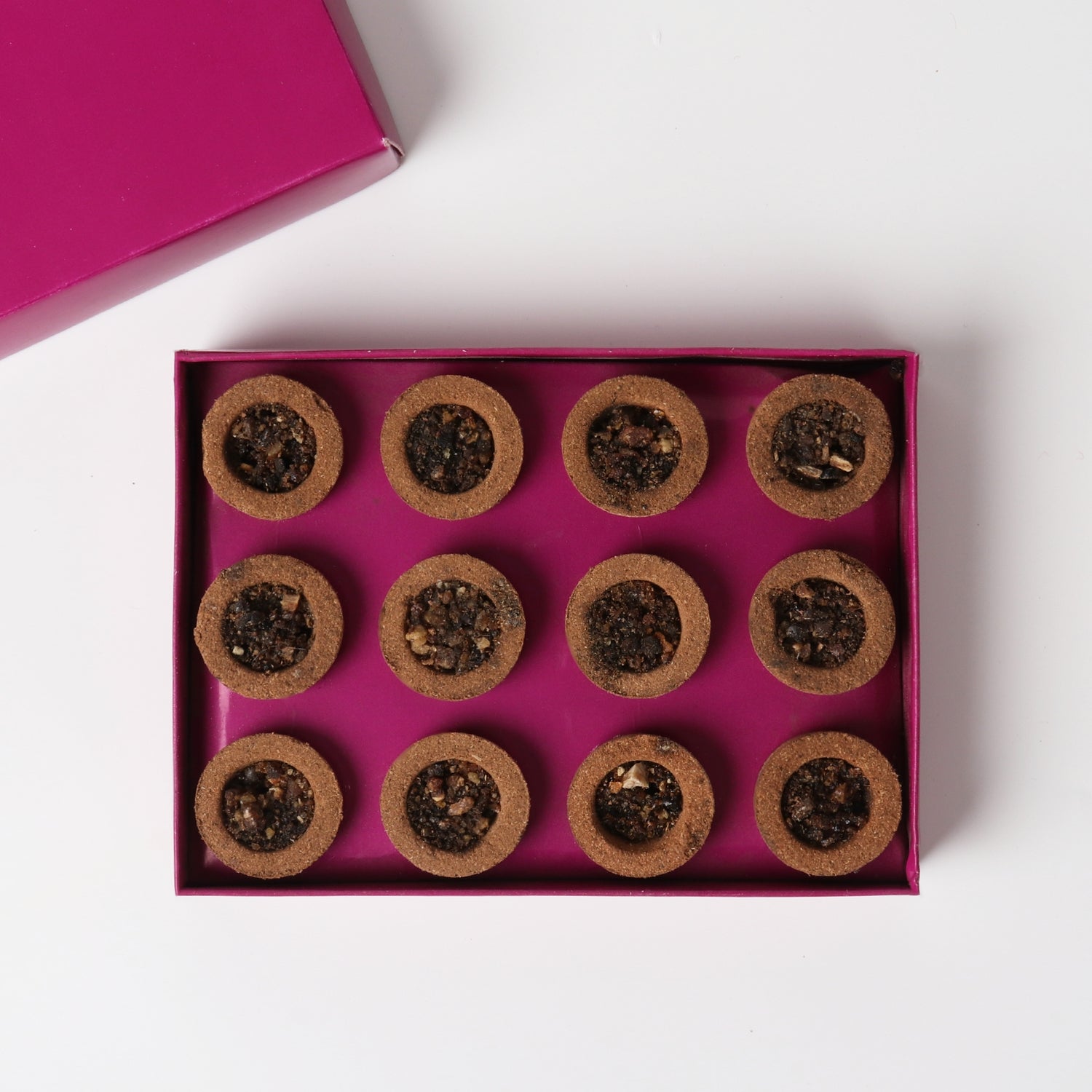
Devotees hold clay pots (Dhunuchis) filled with burning coconut husks, camphor, and fragrant Dhuno resin. Guided by the rapid, thundering beats of the Dhak drums and brass cymbals, dancers spin, sway, and bend low, sometimes balancing a third burning pot between their teeth. The aromatic resin smoke purifies the air and creates an atmosphere perfect for puja. Dhunuch Naach is an expression of thankfulness, devotion and surrender to Ma Durga during evening aarti.
Sindur Khela

On the morning of Bijoya Dashami, before the Goddess departs for Mount Kailash, the mood in the pandal turns emotional. Dressed in classic red-and-white silk sarees, women gather for Thakur Boron, offering sweets and applying bright red sindoor (vermilion) to the Goddess's forehead and feet in a tearful farewell.
This quiet reverence quickly erupts into the joyous celebration of Sindoor Khela. Women smear the red powder onto each other's cheeks and bangles—a ritual that began as a prayer for marital longevity but has blossomed into a beautiful celebration of sisterhood and unity. To the sound of conch shells and high-pitched ululations (Ulu Dhwani), the Goddess is then carried away for river immersion, leaving devotees chanting, "Asche bochor abar hobe" (She will return next year!).
Traditions in Northern and Central India
Sanjhi Jhanji Tradition (Haryana and Western UP)

Celebrated across Haryana, Punjab, Western Uttar Pradesh, and Madhya Pradesh, Sanjhi is a folk art tradition observed largely by young, unmarried girls. It honours Goddess Sanjhi Mata for familial well-being and a prosperous future. The temple Sanjhi is celebrated during the sixteen days of Pitru Paksh, especially the final five days from Ekadashi to Amavasya.
The home‑based Sanjhi festival begins on the first day of Navratri (Ashwin Shukla Pratipada) for 9–10 days, ending with immersion on Dussehra (Vijayadashami) or the new‑moon day, depending on local custom. This festival honours Goddess Sanjhi Mata (a form of Ma Parvati or Radha Rani) for well-being, domestic skills, and a suitable life partner.
Girls make a clay or cow‑dung image of Sanjhi Devi on a wall, decorate it with colours, vermilion, flowers, bangles, and paper ornaments (sun, moon, stars). Alongside, they prepare a Jhanji, a clay lantern. For nine nights, neighbourhood women gather in front of the wall with the images of Devi. Women clap, sing folk songs, and dance in moving circles. Often, they carry the lit Jhanji from house to house in a warm, festive procession. The festivities conclude on Dussehra, when the Sanjhi image is respectfully immersed in a river or water body.
Afterwards, the collected grain and coins are used to cook a shared community feast. In Braj, Sanjhi art is a devotional offering to Sri Krishna and Radha Rani. As a girls’ festival, it socialises young women into bhakti, craft and community singing.
Kanya Bhoj (North India)

Observed on Maha Ashtami or Maha Navami, Kanya Bhoj (or Kanjak) is a beautiful tradition observed across North and Central India. Nine young girls, representing the Navdurga (nine forms of Goddess Durga), and one young boy representing Bhairav are welcomed into homes as living forms of divine energy. Kanya bhoj is also held during Chaitra Navratri (March–April), but the main focus remains on Sharad Navratri.
The host family washes the children's feet (Pada Prakshalan), applies a red tilak, and ties a sacred thread around their wrists. They are then served a loving feast of hot puris, spiced black chickpeas, and sweet semolina halwa. Washing children’s feet and seeking their blessings dissolves one’s ego.
After the meal, family members perform Aarti and touch the children's feet to seek blessings. The young guests are presented with monetary gifts (dakshina), hair accessories, or stationery. As they leave, they scatter turmeric grains at the door for prosperity. Finally, family members consume the remaining prasad to break their Navratri fast.
Kanya Bhoj honours living divinity within young girls (Navadurga) and one boy (Bhairav), symbolising the balance of cosmic energy and consciousness.
Representing purity, the honoured children act as a medium for divine grace.
You too can worship the nine forms of Devi through Navdurga Sadhana! Simply click the "Lion" icon on the Sadhana app from October 11 to 20, 2026.
Kullu Dassera (Himachal Pradesh)

High up in the Himalayas, Kullu Dassera offers a deeply mystical experience. This week-long celebration begins on Vijayadashami, the day when Navratri ends for the rest of the country.
Hundreds of local deities are brought down from their mountain temples in beautifully decorated palanquins. Devotees carry them to the Dhalpur Maidan to pay their respects to the presiding deity, Lord Raghunath. Amid the cool mountain air and the sound of traditional drums, this sacred gathering of Kullu Dusshera turns the whole valley into a lively, spiritual celebration.
The Navratri traditions are more than just annual festivities; they are the threads connecting us to our cultural heritage. Whether it's Maharashtra's Gondhal singing, Telangana's seasonal flower decorations, or washing the feet of Kanyas in the North, every ritual carries a deeper spiritual truth. A heritage this rich survives only if we strive to understand its deeper meaning and live it consciously. We must protect these customs and pass their stories down to our children, so future generations will know what to do when the autumn air turns crisp, and it's time to celebrate Sharad Navaratri.
How are you celebrating Navratri this year? Tell us about the traditions in your region and household. We would love to hear from you.
We are proud Sanatanis, and spreading Sanatan values and teachings, our core mission. Our aim is to bring the rich knowledge and beauty of Sanatan Dharm to every household. We are committed to presenting Vedic scriptural knowledge and practices in a simple, accessible, and engaging manner so that people can benefit and internalize them in their lives.
Presented By Team Sadhana
Leave a comment
Comments (0)
No comments yet. Be the first to share your thoughts.
Related Articles
Shiv Chalisa: Spiritual Significance and Benefits of Recitation
Srimad Bhagavad Gita: From Chaos to Clarity
Hanuman Ansh: Decoding the Life of Neeb Karori Baba
A Complete Guide to Pitru Paksha 2026